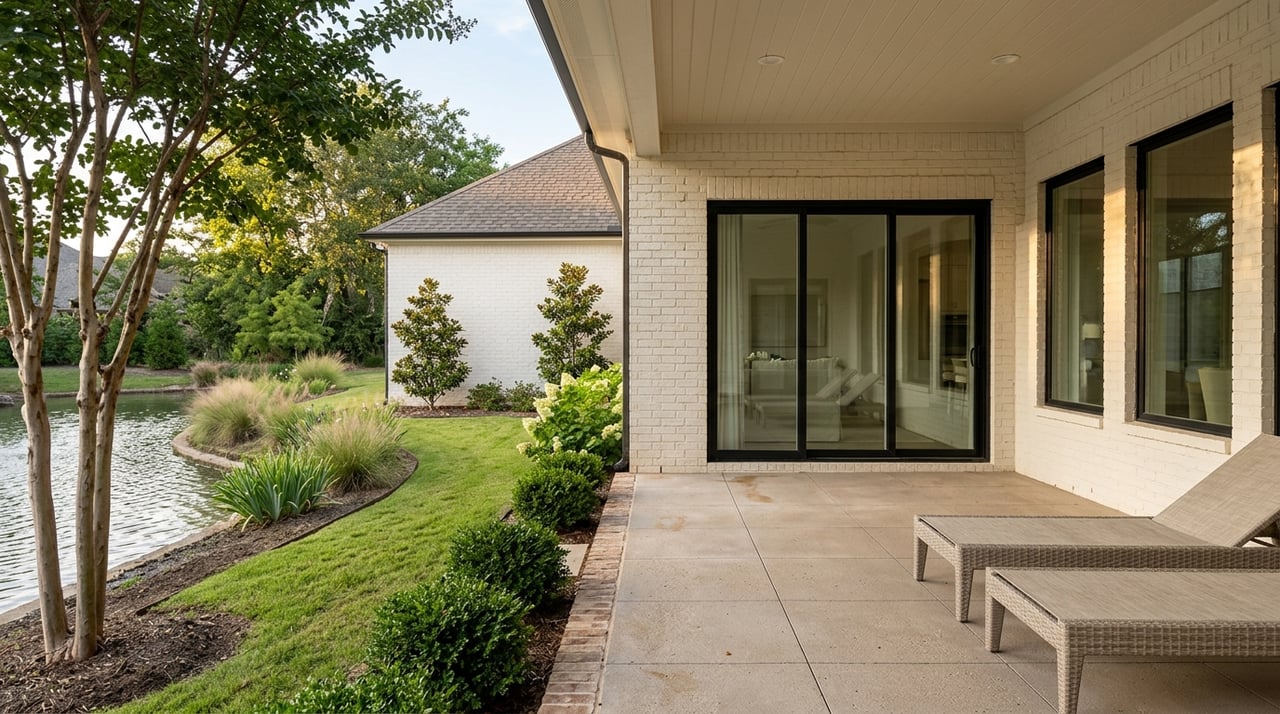
Perry GA Neighborhoods Lifestyle and Small-Town Living
May 7, 2026
May 7, 2026
Wondering what day-to-day life in Perry, Georgia, really feels like? If you are looking for a place with a small-town pace, a real downtown, and easy access to bigger job centers across Middle Georgia, Perry stands out for good reason. This guide walks you through Perry’s neighborhoods, housing patterns, parks, events, and commute advantages so you can picture what living here may look like for you. Let’s dive in.
Perry offers a mix that can be hard to find. You get a historic city center, newer growth areas, plenty of parks, and strong regional access through Interstate 75. The city covers more than 27 square miles and continues to grow, with an estimated 2024 population of 24,792.
For many buyers, that growth feels balanced rather than overwhelming. Perry still keeps its small-city identity, but it also has the reach and convenience that come from its location in Houston County and its connection to Middle Georgia employment centers. That makes it appealing whether you are relocating, moving up, or looking for a slower daily rhythm without feeling isolated.
Perry also fits many households because everyday logistics are manageable. Census QuickFacts estimate a mean commute of 22.2 minutes, with a median household income of $76,909, a median owner-occupied home value of $225,300, and a median gross rent of $1,132. Those numbers help paint a picture of a city where many residents can balance home life, work, and local amenities.
Perry does not break into just one type of neighborhood. Instead, you will find a few clear patterns, from older in-town areas near downtown to newer subdivisions along major growth corridors.
If you want walkability and historic character, the city center and nearby historic districts are the clearest places to start. If you want newer construction, neighborhood amenities, and easier access to expanding corridors, you will likely focus on the outer edges of the city. That variety is one reason Perry appeals to such a broad range of buyers.
Historic Downtown Perry is the city’s walkable core, and it has more than a pretty streetscape going for it. The city supports downtown through an active Main Street structure, a Downtown Development Authority, a restaurant district, façade grants, and placemaking efforts designed to keep the area active and useful for daily life.
For you as a buyer, that can translate into a downtown that feels lived-in rather than simply preserved. You may find local events, a farmers market, and regular community activity that make the area feel connected to daily routines. It is a strong option if you value being close to shops, dining, and community events in a traditional downtown setting.
One important thing to know is that downtown residential inventory is still limited compared with the city’s suburban subdivision growth. The city has added mixed-use housing, including Chalet Lofts with 12 apartments and another loft project with 36 apartments planned, but in-town living remains a smaller slice of the overall housing picture.
If you are drawn to older homes, Perry has several officially recognized historic areas near the center of town. The clearest documented in-town historic districts are the Downtown Historic District, the Swift Street Historic District, and the Washington-Evergreen Historic District.
These designations matter because they point you toward the parts of Perry with the strongest older residential fabric. If charm, established streets, and proximity to the historic core are high on your list, these areas deserve a closer look. They give you a different feel from the newer subdivisions growing farther out.
Much of Perry’s newer housing growth is happening along the city’s edges and expansion corridors. Planning documents highlight subdivision growth along Langston Road and within the 127 corridor, including areas such as Woodlands, Wind River, and Planters Ridge.
The city also identifies Perry Parkway and Northside Drive as major growth corridors. For you, this often means more opportunities to find newer floor plans, subdivision layouts, and homes built with current design preferences in mind. These areas can be especially appealing if you want a more suburban setting with straightforward access to main roads.
One example from city planning materials is The Perry Preserve PUD, described as a 191-lot subdivision with sidewalks and a pocket park or amenity area. That gives a helpful snapshot of the kind of neighborhood growth Perry is planning for as it continues to expand.
A city can look good on paper and still feel flat in real life. Perry’s advantage is that its lifestyle story is easy to see in everyday routines, especially if you enjoy time outdoors, local events, and a downtown that stays active throughout the year.
Perry is especially strong when it comes to parks. Rozar Park is a 45-acre destination with an 18-hole disc golf course, sports fields, playgrounds, ponds, a walking trail, and the James E. Worrall Community Center.
Creekwood Park adds another active option with 30 acres, pickleball courts, fields, a splash pad, and the White Tail Trail trailhead. Pine Needle Park brings 61.35 acres of pond-centered green space with walking trails, while Heritage Oaks Park offers a 20-acre lawn and stage area for programmed events. If outdoor time is part of how you want to live, Perry gives you several solid choices.
Perry is also investing in how people move through the city. The Perry Pathways initiative is designed to fill sidewalk gaps, extend existing sidewalks, add new sidewalks, and expand nature trails.
That matters because small improvements in connectivity can shape your daily experience. Welcome Park and Crossroads Park help connect downtown to nearby corridors, and the city describes Welcome Park as a gateway into Historic Downtown Perry. Over time, these kinds of projects can make local routines feel easier and more connected.
One of Perry’s biggest strengths is that downtown life feels active on the calendar, not just on the map. The city runs a Saturday farmers market in Historic Downtown Perry, and its event lineup includes Perry Presents, the Summer Breeze Block Party, Juneteenth, Red, White and Boom, Bites & Beats, and Buzzard Drop.
The city also highlights annual staples such as Food Truck Friday, the Dogwood Festival, the Independence Day Celebration, and the International Festival. For many buyers, that kind of regular programming adds real value because it creates easy ways to enjoy where you live without having to drive far for something to do.
Beyond downtown, the Georgia National Fairgrounds and Agricenter gives Perry a wider regional identity. City history notes that the fairgrounds host more than 260 annual events, and the Georgia National Fair draws more than half a million visitors each October. That adds another layer to Perry’s rhythm and visibility across the region.
Perry works well for people who want a hometown feel without giving up convenience. The city is accessible from I-75 exits 134, 135, and 136, and city materials describe Perry as about 30 minutes south of Macon.
That location helps if your work or routines stretch across Middle Georgia. Perry can be a practical base for travel to Macon, Warner Robins, and other nearby communities while still letting you come home to a smaller-city setting.
For military and defense-connected households, Perry’s location can be especially useful. Robins Air Force Base is about 15 miles east of Perry, and the base reports a workforce of almost 22,000, making it Georgia’s largest single-site industrial complex. If you are relocating for military or defense-related work, Perry may offer a balanced option between commute access and day-to-day livability.
For households thinking about day-to-day routines, Perry is part of the Houston County School District. The city identifies Perry High School, Perry Middle School, and several elementary schools as part of the local education mix.
That does not tell the whole story of choosing a home, of course, but it is a useful starting point for understanding how Perry fits into the broader county framework. If school boundaries, commute timing, and after-school activities matter to your move, it helps to look at those details alongside neighborhood style and home type.
Perry tends to work well for buyers who want a small-city feel with real structure behind it. You get a downtown with active programming, a strong park system, historic districts near the core, and expanding newer neighborhoods along major corridors.
It can also be a smart fit if your life connects to Middle Georgia job centers, especially Robins Air Force Base, Warner Robins, or Macon. The biggest tradeoff is that if you are specifically hoping for a large supply of downtown residential options, your choices may be more limited than in the suburban parts of the city.
Still, that balance is exactly what many buyers want. Perry offers room to spread out, local events that give the city personality, and enough growth to support convenience without losing the small-town feeling that draws people in.
If you are thinking about buying or selling in Perry or anywhere in Middle Georgia, Jacque Applegate offers local guidance shaped by years of experience, relocation insight, and a steady, practical approach to helping you find the right fit.
Stay up to date on the latest real estate trends.

If you're planning to sell your home in the next few months, nothing is more important than knowing a fair asking price. I would love to help you with a FREE Market Analysis. I will use comparable sold listings to help you determine the accurate market value of your home.
GET IN TOUCH TO LEARN MORE
JACQUE APPLEGATE
1221 S HOUSTON LAKE RD WARNER ROBINS, GA 31088